Philantropy
Philanthropy & Community Involvement 2010 PDF

We have interest in fostering healthy, vibrant communities, so when communities succeed, we succeed as a trusted partner.

As the largest privately held spirits company in the world,
we know our business impacts lives including customers,
suppliers, employees and those who live in the
communities where we operate.

Bacardi Gold

How does Bacardi make a difference?

In fiscal 2010, the total monetary amount of our support was $4 million. We continued to help communities through employee volunteering initiatives, in-kind support and partnering with organizations to leverage charitable activities. As the largest privately held spirits company in the world, we know our business impacts lives including customers, suppliers, employees and those who live in the communities where we operate.

Bacardi Limited has a 149-year history of quality, excellence, ethics and social involvement. Those values were important to our founder Don Facundo Bacardí Massó and are still today. We are proud of our long and rich heritage of providing support focused on Environment, Education, Health & Social Services, Arts & Culture and Disaster Relief Assistance.

We have a long-term interest in fostering healthy and vibrant communities, so when communities succeed, we can also succeed as a trusted partner.

Bacardi Limited has a 149-year history of quality, excellence, ethics and social involvement.

Imagination

What has been achieved in each area this year?

Environment

Under the banner of “300 people, 10 countries, One Bacardi!” employees from 10 European
countries come together annually for the Copa Don Facundo, a sports and cultural event.
Employees compete in football, tenpin bowling and beach volleyball and get to know the host
city and meet new colleagues. This year, employees donated $3,870 of their own money during
the events to “Viva Con Agua,” a charity based in Hamburg, Germany, that campaigns for clean
drinking water worldwide.

Bacardi Portugal organized “B-Responsible Day” to offset CO2 emissions. On a site designated by
the municipal authority, 88 employees planted 1,000 trees.

Education

Continuing its long-term support, Bacardi in Spain donated more than $20,000 to two
international business schools – IESE and ESADE – to foster development of managers and senior
executives.

Bacardi U.S.A. supported the Careers through Culinary Arts Program, an organization that works
with schools to prepare underserved students for college and careers in the restaurant and
hospitality industry.


Bacardi This year, employees donated $3,870 of their own money during corporate events to Viva Con Agua.

Martini Royale

Health & Social Services

The Bermuda Heart Foundation has the ambitious goal to reduce the number of heart disease-related deaths on the island by 25% within the next three years. The Company committed to give $50,000 for three years to help raise $3 million to secure a site, purchase equipment, hire staff and maintain working capital.

Bacardi Brazil supported the International Children’s Heart Foundation, funding a team of surgeons to perform life-saving operations on 30 children at no cost to the families. In the Dominican Republic, Bacardi supported the same charity by paying for Christmas presents for children recovering from operations.

Bacardi in Hong Kong donated used IT equipment to the Caritas Computer Refurbishment Project. Instead of disposing of old PCs, laptops and printers, they are now being used by families who could not afford to buy their own.

Arts & Culture

In Italy, Martini & Rossi continues to provide financial support to preserve the historical heritage and restoration of Turin.

Bacardi sponsored a new exhibit at the Bermuda National Gallery celebrating the island’s 400 years of history and showcasing the evolution of art across those four centuries.

Singer/songwriter will.i.am of The Black Eyed Peas and his charity Dipdive, which supports fashion, music and the arts, teamed up with BACARDI to host a Pre-Grammy Concert at the Hollywood Palladium to raise money and awareness for the arts.

In Italy, Martini & Rossi continues to provide financial support to preserve the historical heritage and restoration of Turin.

Disaster Relief Assistance

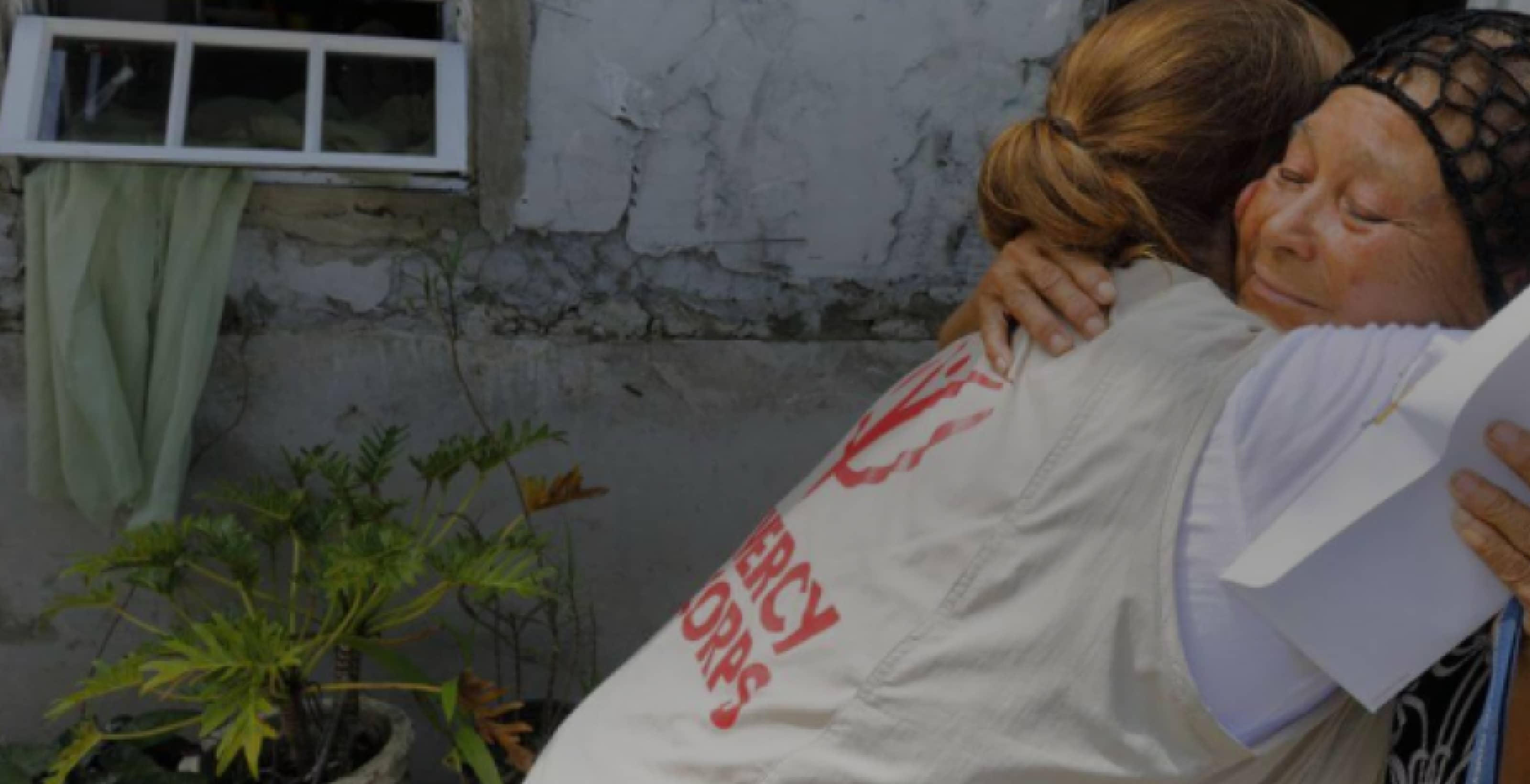
Bacardi Chile made a donation which paid for 30 emergency housing units to be dispatched to Pescadores, a fishing community that was leveled by a tsunami after the February 2010 earthquake. The Company also hosted 10 BACARDI-branded parties where people gained admission by bringing at least two kilos of non-perishable items to donate to the Red Cross. At the parties, Bacardi also donated $2 per beverage to Hogar de Cristo, a Chilean non-profit organization that runs shelters, hospices and homes for children and the elderly.

Within days of the Haiti earthquake in January 2010, employees with Bacardi U.S.A., Bacardi Corporation in Puerto Rico and Bacardi in the Dominican Republic teamed with local relief organizations to donate numerous pallets of much-needed medical supplies, non-perishable food and drinks and baby products. Bacardi Limited contributed $50,000 to the Pan American Development Foundation (PADF) which was also used to send basic relief supplies to Haiti. In Travel Retail, the Americas team sponsored a program where consumers could have a personalized message engraved on their DEWAR’S bottle with the proceeds going to relief work in Haiti.


Bacardi staff in U.S.A., Dominican Republic and Puerto Rico all helped raise money to provide emergency relief for Haiti.

How do you choose what to support?

Historically, Bacardi has had a decentralized approach to philanthropy and community
involvement initiatives. Our operations have had a local focus as we have taken the view that
those people working in communities are best placed to understand and make decisions on the
most pressing local needs.

Employees play a significant role in identifying issues of importance. We also look to partner with
organizations that will help us make the most difference.

We are conscious of sharing the best ways of working around the world so we can have the
biggest possible impact. This approach – which could be characterized as “strategic
philanthropy” – requires a degree of global organization and structure. A challenge we face is
how we introduce this structure in a way that encourages rather than suppresses the best local
initiatives. Determining the best way forward for our strategic philanthropy is a priority for the
coming year.

People working in communities are best placed to understand and decide on the most pressing local needs.

Bacardi Home

How will a clearer focus make a difference?

We believe a strategic focus has the greatest potential to make a difference on issues that matter
while also deepening employees’ bonds with the Company.

Bacardi Russia, for example, focused philanthropic activities on children at the Pechora
Orphanage, and on one particular family of 13 children, ages 7–17. The Company donated money
to buy a washing machine and clothes. Employees also donated their own money for electric
kettles, toys, games, school supplies, books and DVDs.

Every December, the children’s wish lists to Santa Claus are posted on the Company Intranet. It is
easy for employees to choose presents for the children. Staff members then visit the school and
present the gifts.

What challenges exist?

In a difficult economy, it is challenging to secure funding for all these needy and good causes. We
are also conscious that our database recording philanthropic and community involvement
activity around the business is not being used regularly by all our companies and brands because
reporting charitable activities is an additional task. We are currently discussing whether Bacardi
core brands could benefit from partnering with particular causes.


We believe a strategic focus
has the greatest potential
to make a difference on
issues that matter.

Eristoff

How do we engage our employees?

Our Company culture embraces the idea of giving back to communities where we live and work. We encourage staff to get involved and promote employee volunteering. We recognize this is a powerful way to make a difference – by lending our time and resources to programs an employee feels strongly about.

Bacardi U.S.A. supported – and continues to support – Hands on Miami, to make Miami a better place to live and work. Forty-five employees volunteered to help renovate a community center, a town hall and a medical clinic in the Overtown neighborhood. The Company also made a financial donation.

Another way we engage employees in Company philanthropy and community work is by choosing charities that employees already support. In France, for example, every year employees fill out a form explaining the work of a charity, how they are involved and how the money given by Bacardi would be used if their charity were chosen. This process elicits between eight and ten applications each year and allows for a targeted use of Company funds to support causes employees really care about.

Our company culture embraces the idea of giving back to communities where we live and work.

How do we record and measure our impact?

Enhancing our database

We have made significant enhancements to the database we use to record philanthropy and
community involvement activities by both corporate and brand entities. Reporting entities can
now add photos and images, as well as reference Web sites for more information. We are able to
aggregate the donations by brand, by country, by region and focus area. In addition, we are now
able to run more detailed reports.

Ensuring all staff access the database in a systematic and timely way remains a challenge which
we continue to address.

London Benchmarking Group

We have done a thorough review of the London Benchmarking Group (LBG) model – its benefits
and shortcomings – spoken with LBG representatives and received feedback from member
companies. We are now planning to phase in the use of the tool so that we can understand how
Bacardi and the communities we support benefit from our investment across the business. The
LBG approach is flexible and reporting could be extended gradually. Our own database is already
mostly aligned with the LBG model. We will need to assign internal resources to develop this
project further, conduct training with employees and establish the best ways to use the model.